
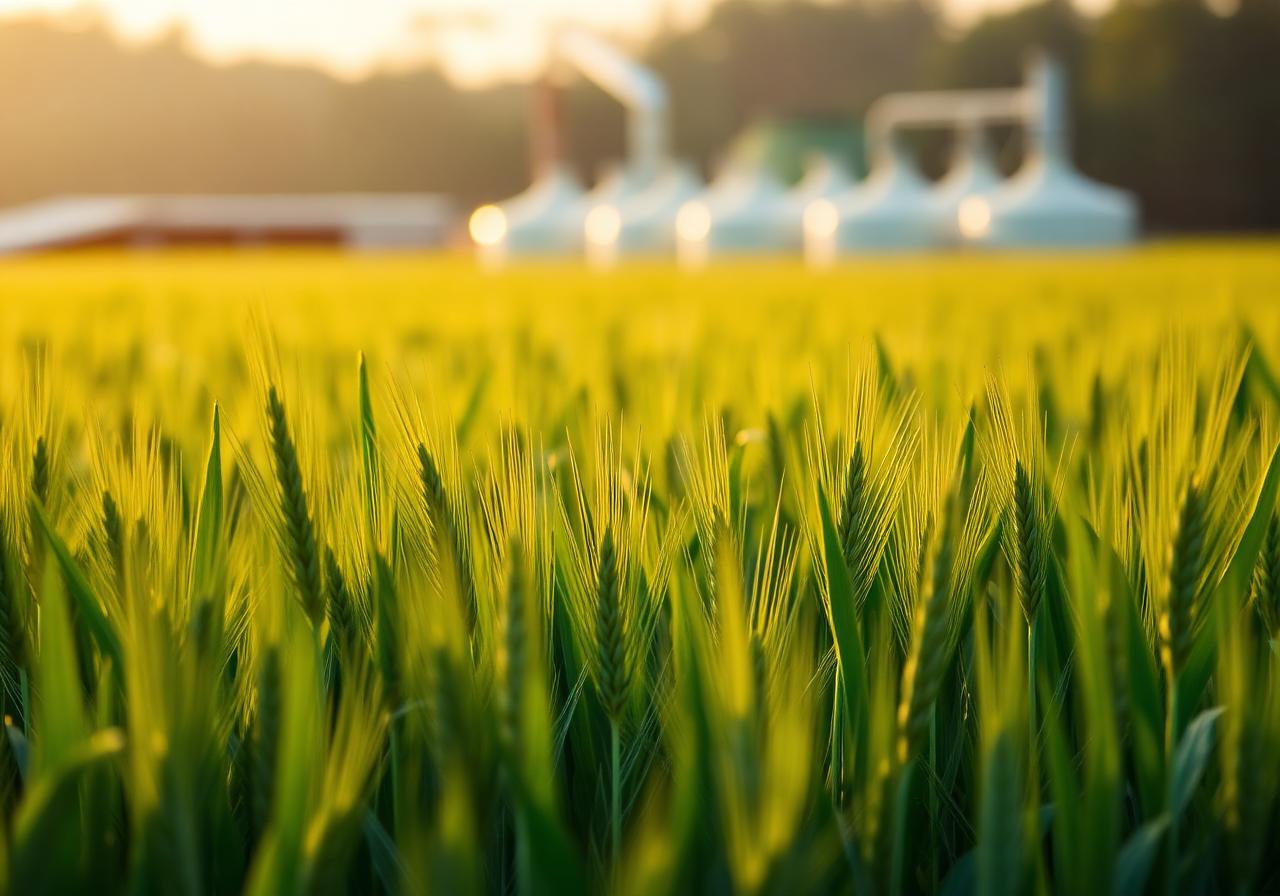
Fertilisers for Farms
Decentralized nitrogen production protects food systems from price shocks and import disruption.
Market
Ammonia is the second-most-produced chemical on Earth. It's also one of the most carbon-intensive. The shift to green is not a question of "if" but "who builds the infrastructure first."
The ammonia paradox
What ammonia does
What it costs today
Macro trends
EU RED III, IMO 2030 maritime rules, US IRA hydrogen credits - all pulling demand forward.
Renewable PPAs at €30/MWh in the right geographies make green NH₃ feedstock competitive.
Decentralized ammonia removes single-point dependence on fossil fertilisers and imports.
Electrolysers, Haber-Bosch - all proven. Modular extraction is the last bottleneck.
MARKET SIZE FOR AMMISORB
Green ammonia scales from <€1B in 2025 to €96B by 2035 - 58% a year. Every plant built needs extraction.
That makes ammonia extraction equipment a market of its own. We sell into the low-pressure, modular end of it - where cryogenic chillers stop working, technically and economically.
Where we play
Decentralized nitrogen production protects food systems from price shocks and import disruption.
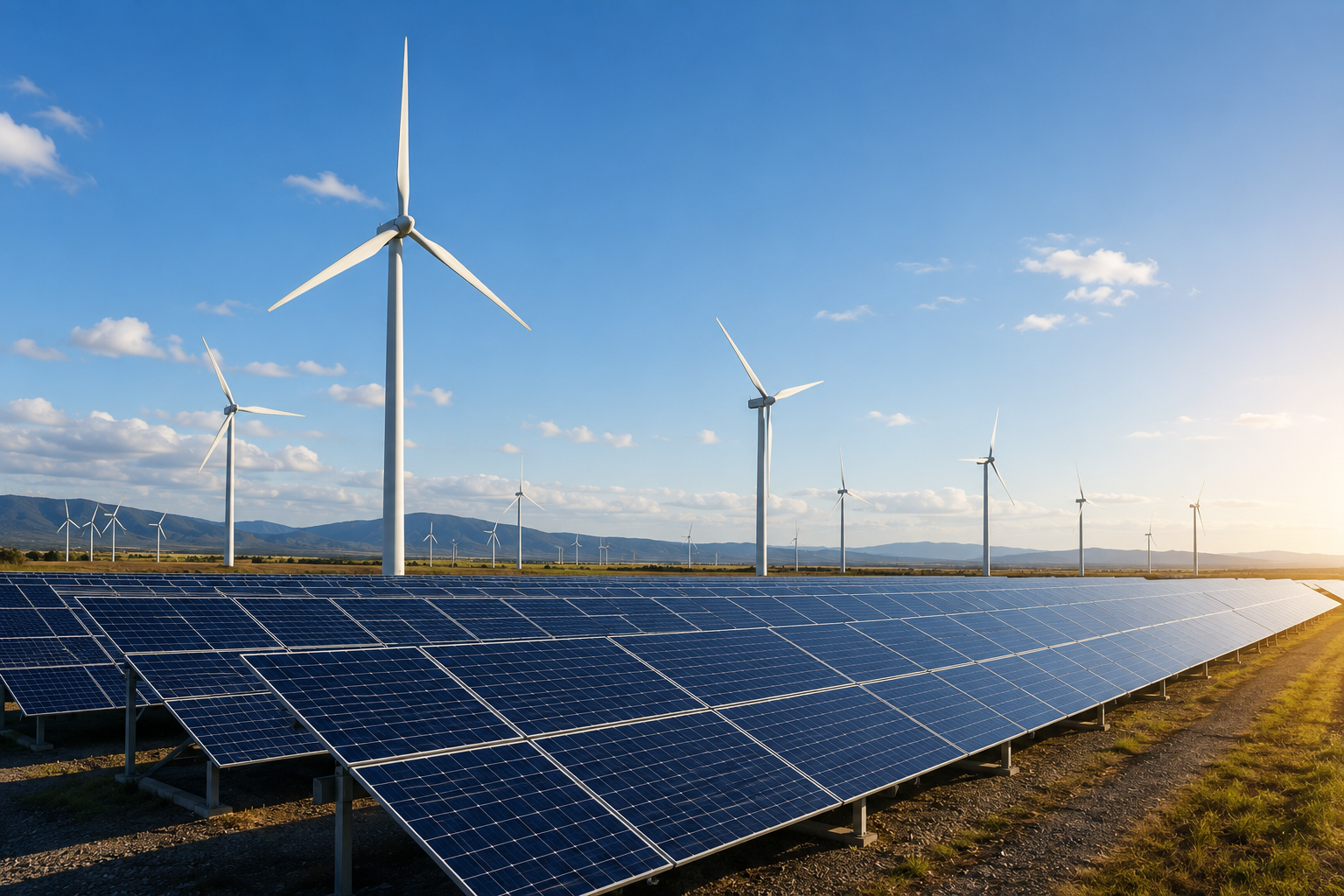
Converting surplus power to ammonia at the co-located park yields a 3-5× value premium per MWh
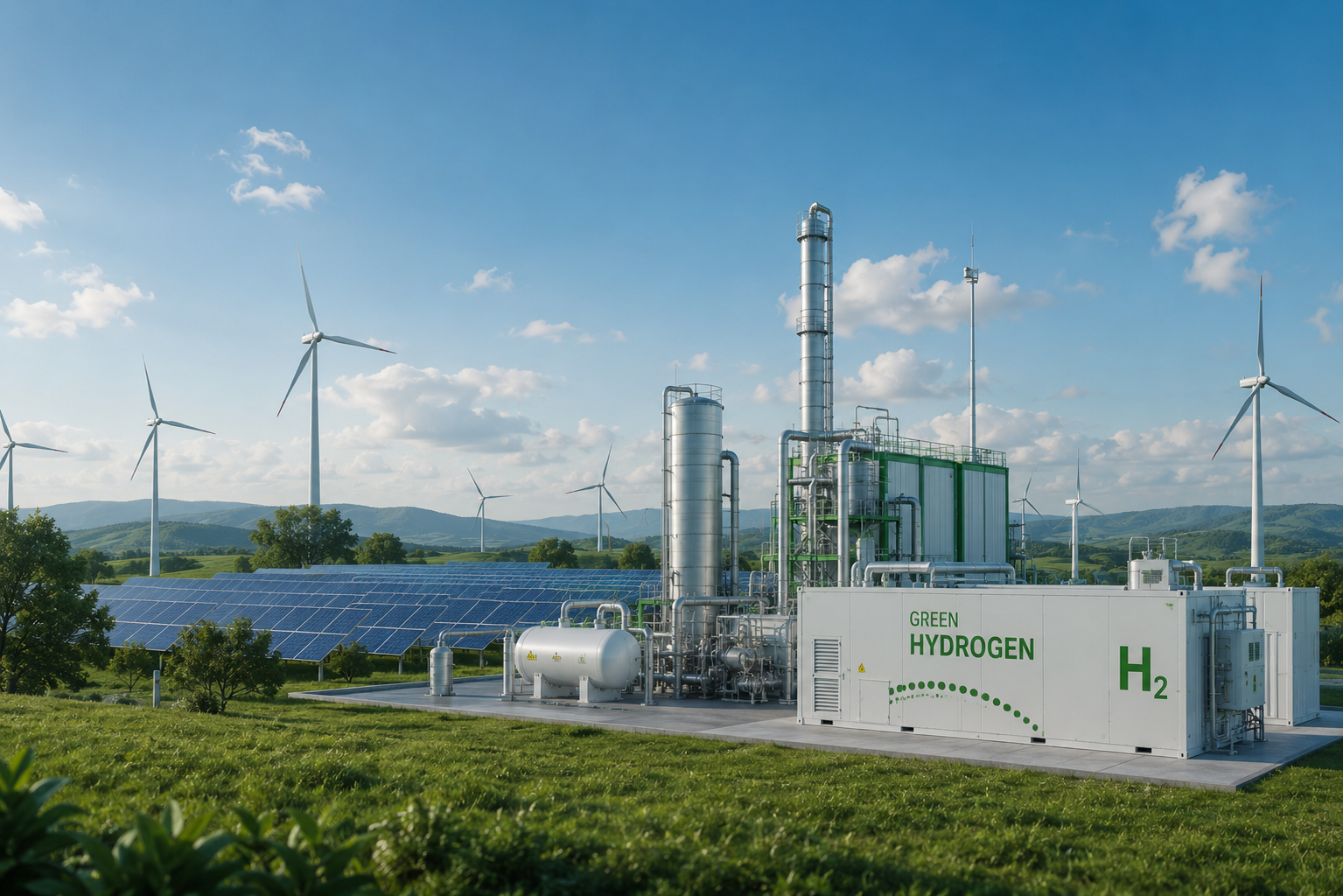
Extending Green Hydrogen plant to Green Ammonia plant provides a ready offtake and a better ROI business case
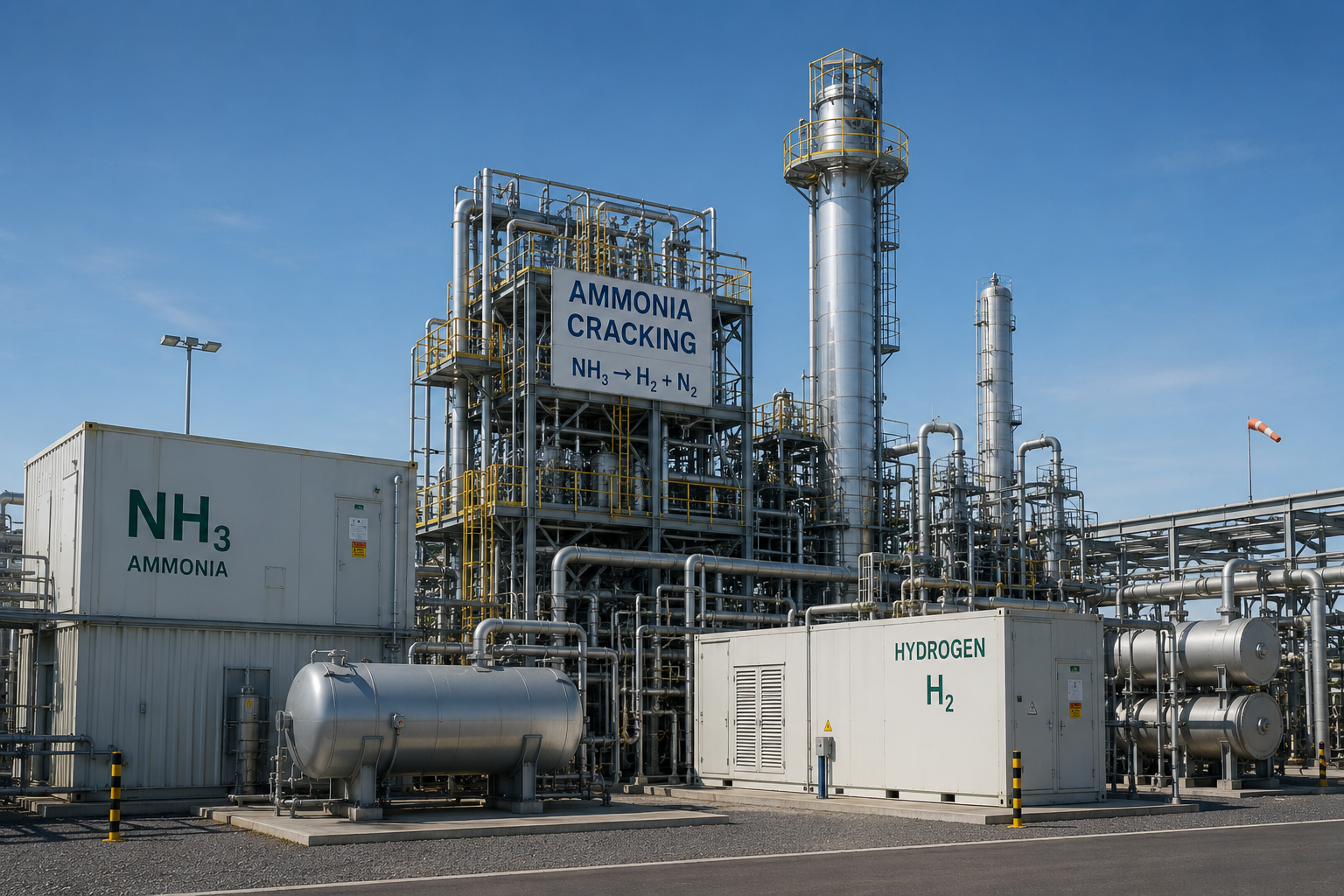
Sorption Booster technology removes trace ammonia from cracked hydrogen, ensuring fuel-cell-grade purity for sensitive applications
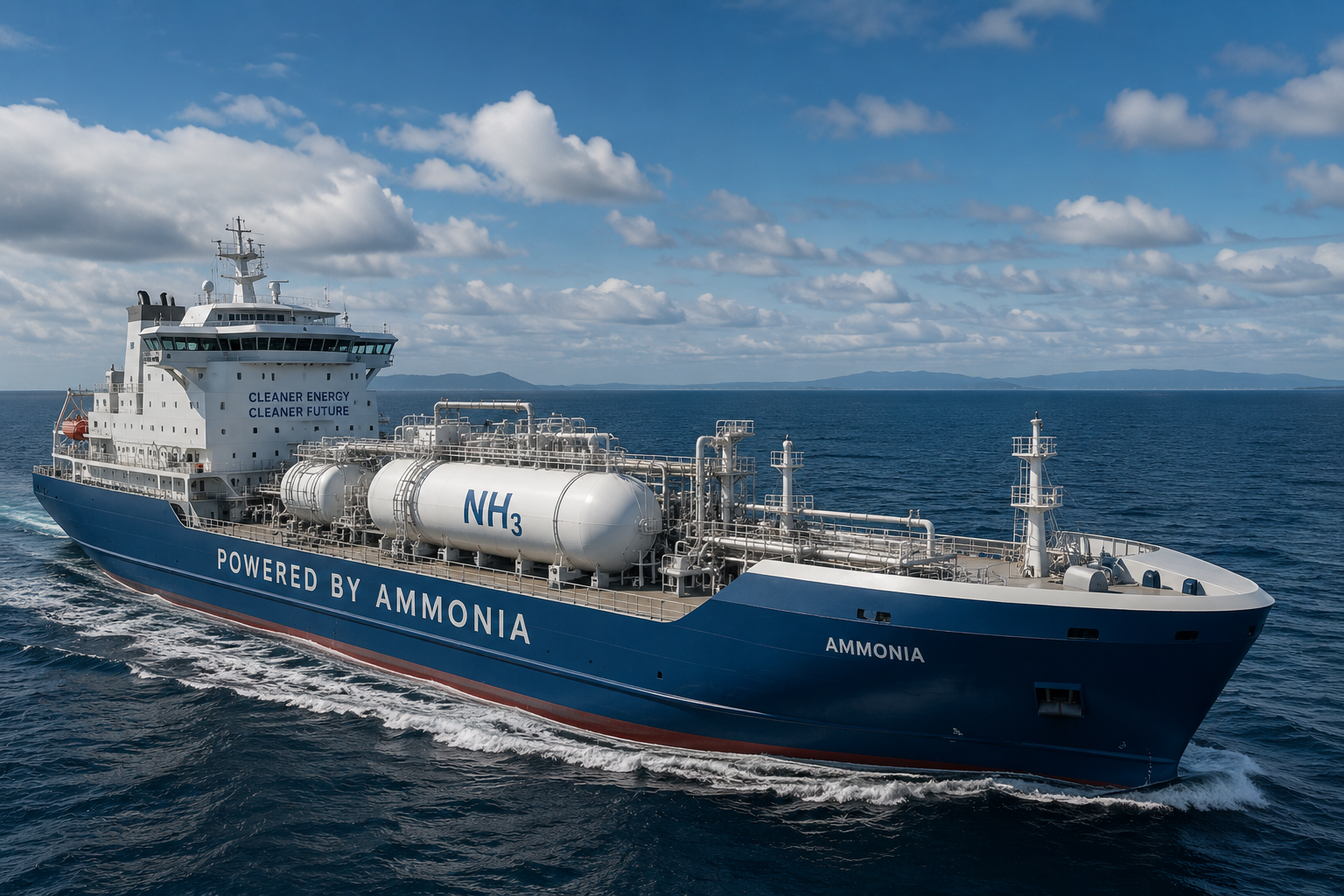
Sub-100-TPD plants at ports finally make ammonia bunkering capex-defensible for shipping lines.
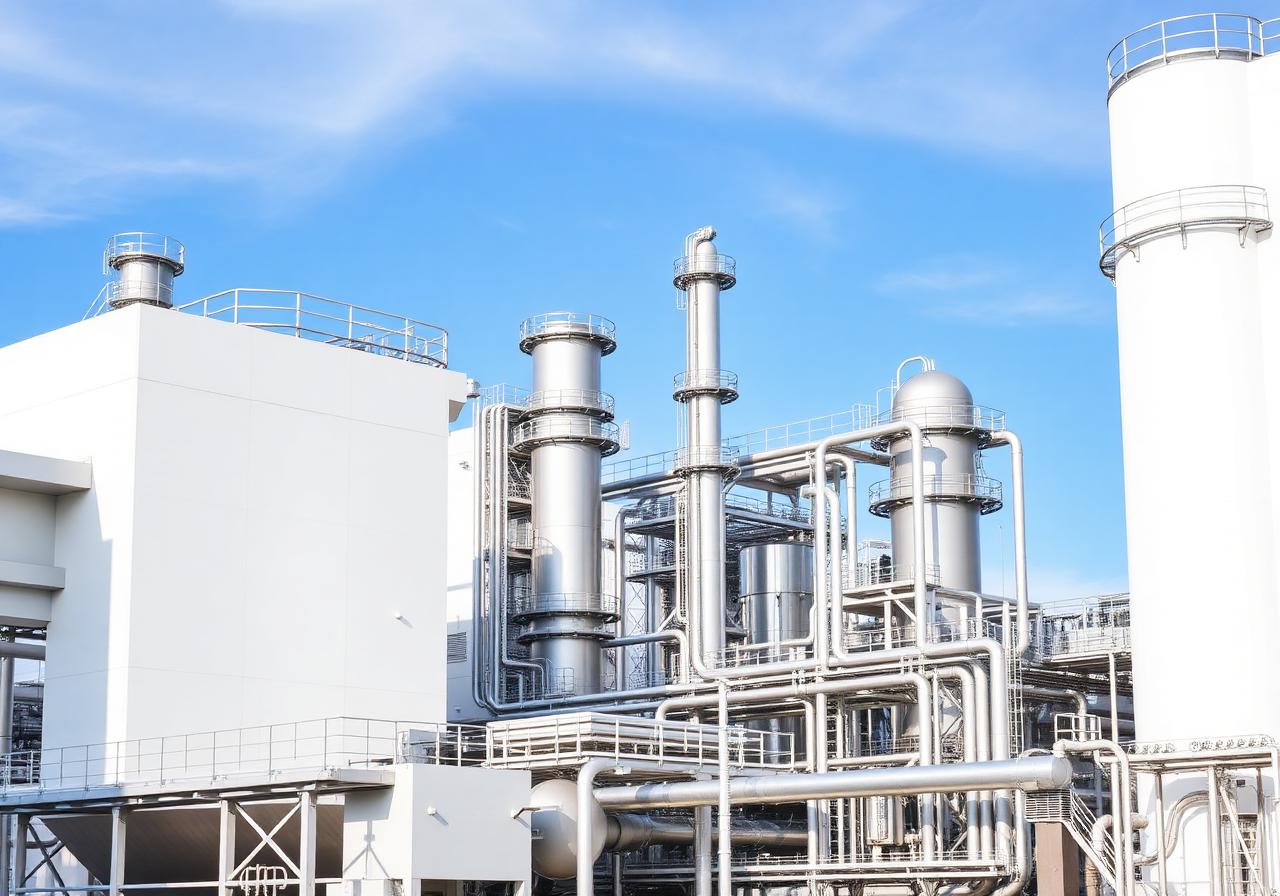
Producing ammonia on-site removes reliance on vulnerable supply chains and protects cost and production stability
Last updated:
Stay informed
Concise, technical, no fluff. Unsubscribe anytime.